Building Better Machines: The Motion Technologies Powering Modern Automation
June 17, 2026
Sponsored Blog
As manufacturers pursue higher throughput, tighter tolerances, and greater operational flexibility, modern automation systems increasingly depend on the successful integration of motion, sensing, and control technologies. The result is a growing focus on the technologies that sit beneath the surface of modern equipment: motion systems, sensing technologies, automation components, and precision manufacturing platforms.
While advances in robotics and artificial intelligence often capture attention, the performance of modern automation systems still depends greatly on how effectively machines move, measure, adapt, and respond. Engineers are increasingly evaluating automation architectures as integrated systems rather than collections of individual components.
One important trend is the convergence of motion control, sensing, and automation technologies into more compact and efficient machine designs. By reducing mechanical complexity and improving system integration, manufacturers can achieve higher precision, better repeatability, and greater flexibility while simplifying deployment and maintenance.
Many of these advancements are being driven by technology innovators recognized by Taiwan Excellence, a national-level award program in Taiwan that promotes industrial innovation and excellence. The award recognizes outstanding products and solutions through a rigorous evaluation process based on research and development, design, quality, and marketing performance, honoring innovations that demonstrate strong competitiveness and real-world application value across multiple sectors. These award-winning technologies highlight Taiwan’s progress in motion control, precision systems, and intelligent automation.
Precision motion remains a foundational element of modern automation. TBI Motion, a Taiwan-based provider of precision linear and rotary motion technologies, develops integrated motion systems that help manufacturers simplify mechanical architectures while supporting high-speed, synchronized movement. As automation systems become faster and more compact, integrated motion platforms can help reduce mechanical complexity while improving positioning accuracy and responsiveness.
TOYO, a developer of nano-precision motion systems for semiconductors, electronics, and advanced manufacturing applications, is helping address similar challenges through linear motor technologies designed for demanding production environments. In industries where throughput and positioning accuracy are critical, compact motion architectures can help maximize performance while minimizing equipment footprint.
As machines become more flexible, the ability to quickly adapt to changing production requirements is becoming increasingly important. Mindman, a manufacturer of motion, automation, and robotic end-of-arm tooling technologies, develops solutions that support adaptable robotic operations, including automatic tool-changing systems that allow robotic cells to perform multiple tasks with minimal downtime. These capabilities help manufacturers improve utilization while supporting more dynamic production workflows.
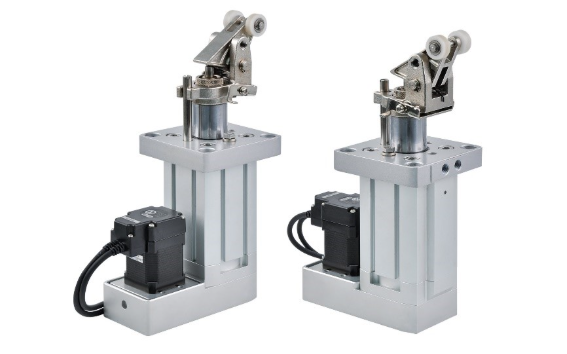
Mindman_Stopper Electric Actuator_MESBE series
At the same time, greater automation requires greater operational visibility. Chelic, a provider of pneumatic, automation, and industrial measurement technologies, helps manufacturers monitor and optimize industrial processes through solutions that improve visibility into system performance and resource utilization. Better insight into operational conditions can support more informed decision-making, improved efficiency, and enhanced process reliability.
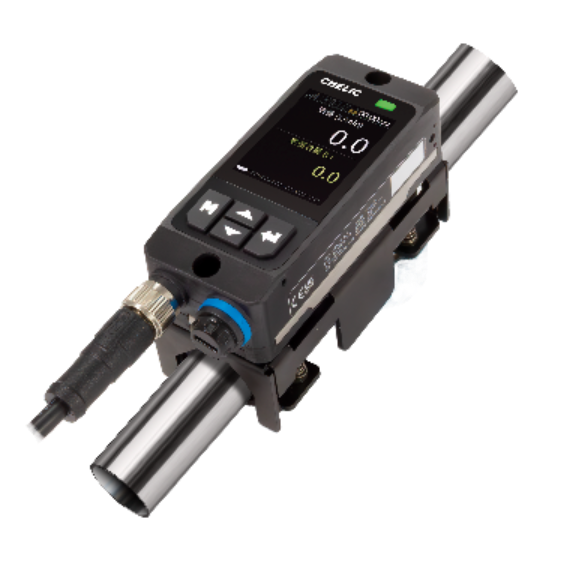
CHELIC-Clamp On Ultrasonic Flow Meter_FN-V series
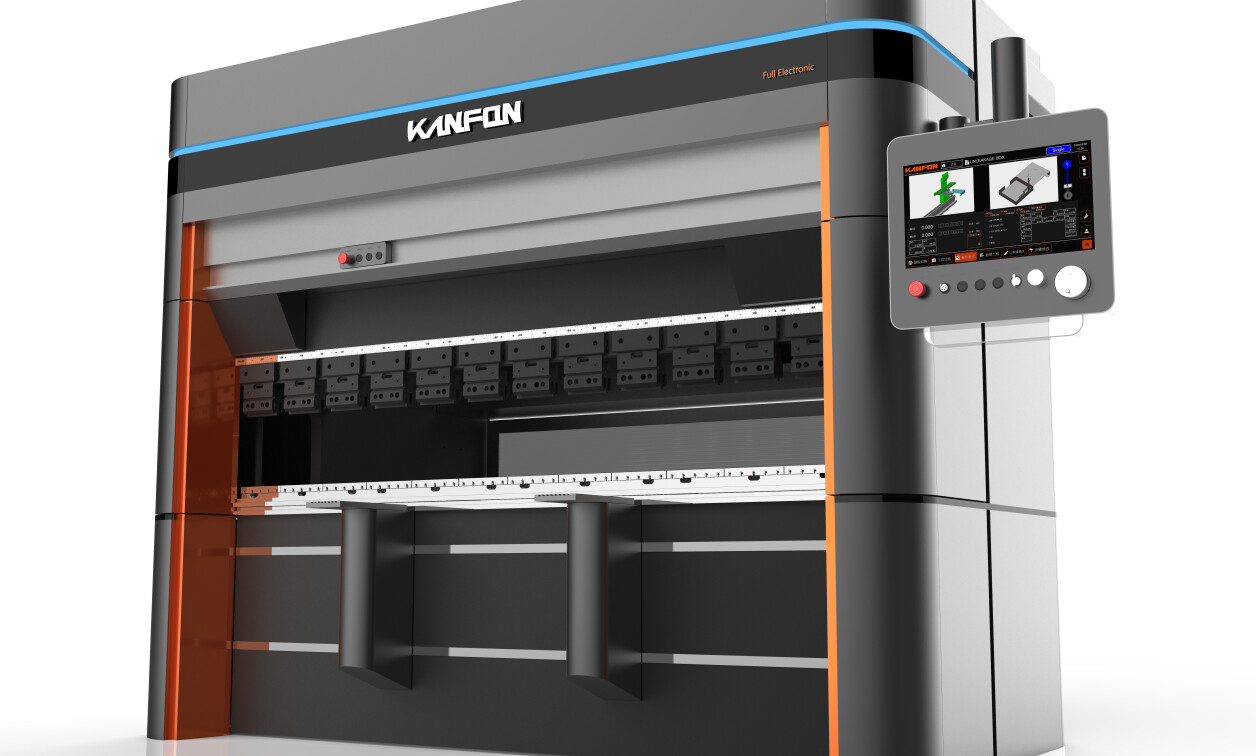
The impact of these technologies can be seen in advanced manufacturing systems such as those developed by KANFON, a developer of precision sheet metal fabrication and servo-driven forming technologies. Through intelligent integration of motion, process control, and automation technologies, KANFON demonstrates how machine builders can improve quality, consistency, and operational efficiency across demanding manufacturing applications.
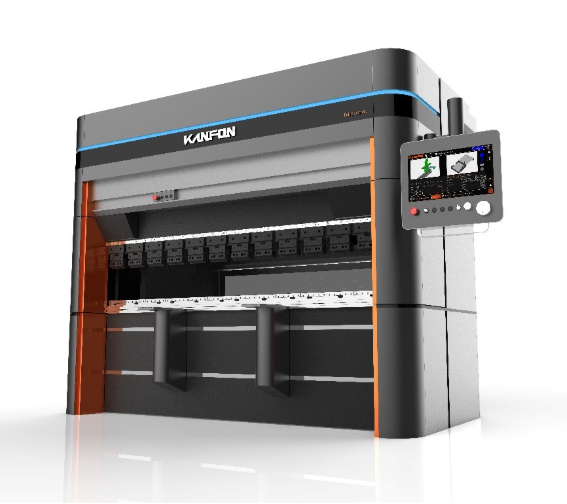
KANFON_Fully Electric µServo Bending Machine_Model uSERVO 2500
Looking ahead, the demand for smarter, faster, and more adaptable manufacturing systems will continue to accelerate. Success will increasingly depend not only on individual technologies, but on how motion, sensing, measurement, and automation systems work together as an integrated architecture.
Taiwan's leadership in precision manufacturing, automation, electronics, and industrial innovation provides a strong foundation for these advances. Companies recognized by Taiwan Excellence—including TBI Motion, TOYO, Mindman, Chelic, and KANFON—are helping drive the next generation of machine design through innovations that improve precision, flexibility, and manufacturing performance.
For engineers, system designers, and manufacturers evaluating the future of automation, Automate 2026 (June 22–25 in Chicago, IL) provides an opportunity to explore these technologies firsthand. The Taiwan Excellence Pavilion, organized by the Taiwan International Trade Administration (TITA) and the Taiwan External Trade Development Council (TAITRA), will feature 23 companies showcasing how advanced motion, sensing, measurement, and automation technologies are helping manufacturers improve precision, flexibility, and production performance.

To learn more about the Taiwan Excellence Pavilion and participating Taiwan Excellence companies, visit taiwanexcellence.us or stop by Booth #441 at Automate 2026.