
Rugged by Design: How to Engineer for Harsh Environments
October 21, 2025
Story

Rugged systems can pass lab tests but fail in real-world extremes, jeopardizing mission-critical operations. This article outlines five engineering principles that ensure embedded systems are validated for resilience, built for longevity, and capable of recovering from field stress, turning ruggedization from a checklist into a long-term design commitment.
Picture this: A remote fire station receives a critical dispatch call. Seconds matter. The emergency communication system should fire off alerts, change lighting, shut down the gas stove, and notify first responders to report to the truck bay. But nothing happens. No alerts, no automation, no dispatch.
The call was received. The hardware failed.
In high-pressure environments—from fire stations to battlefield outposts to offshore platforms—the cost of system failure can be incalculable. It’s hard to measure when lives are on the line.
The problem is, many systems are only designed to pass in-house, controlled lab tests, not to survive continuous shock, vibration, EMI exposure, or thermal extremes in the real world. Most failures don’t happen because engineers ignored ruggedization. They happen because they treated it as a checklist rather than a design mindset.
Most rugged failures stem from decisions made long before testing ever begins. The hard truth is systems that passed validation on paper but failed under pressure can be costly, in more ways than one.
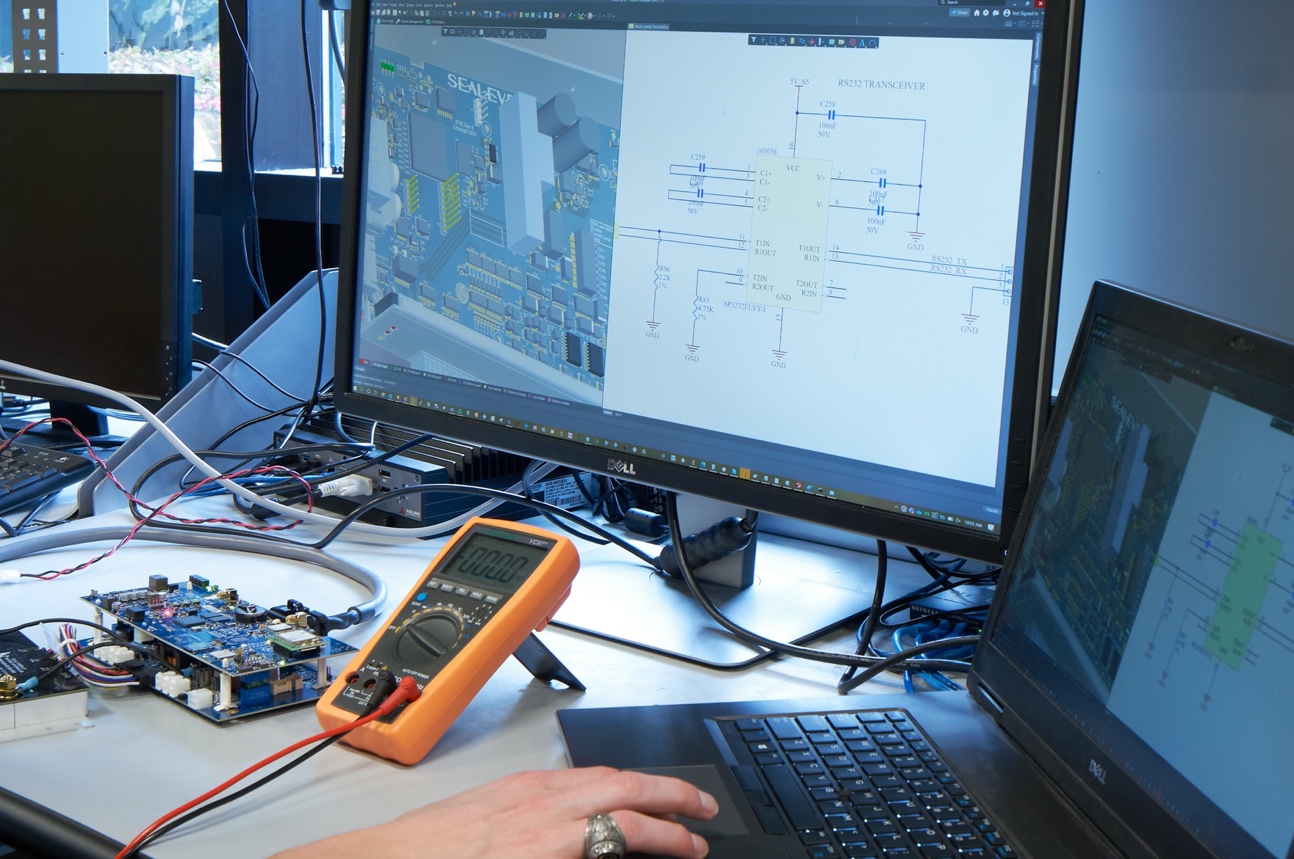
Image 1: Controlled testing is a critical step toward ruggedization, and it’s complemented by field simulations, where stressors appear. (Image credit: Sealevel Systems)
In mission-critical environments, failure is never a neutral event. The systems we build don’t just run machines. They enable life-saving response, secure critical infrastructure, and ensure operational continuity in extreme conditions.
As Director of Engineering, I’ve had the chance to lead the design and testing of systems deployed in everything from frontline defense to emergency communications. In this article, I’ll walk through five principles for designing systems that hold up when everything else breaks down. Whether you’re in product leadership, systems engineering, or program management, these lessons can help you avoid costly missteps and build rugged hardware everyone can depend on.
Validate Ruggedization Like the Real World Depends on It
The challenge: Rugged systems must prove their resilience under real-world stress, not just in controlled lab tests.
To validate ruggedization effectively, simulate the full range of challenges your system will face in the field. Think beyond individual stress tests. Instead, layer electrical, thermal, and mechanical demands in combination. Subject your hardware to electrostatic discharge, voltage spikes, and EMI interference while it’s running. Vary the environment, simulate temperature swings, mechanical shock, and vibration. This reveals how your system behaves under unpredictable, overlapping conditions.
Build your validation process around system recovery as well as uptime. Even the most rugged design can experience a brief disruption under extreme stress. That’s why resilience—defined as the system’s ability to recover quickly and fully from adverse conditions—is just as critical as uninterrupted performance. The critical measure is whether it recovers without permanent failure.
Key takeaway: Validate for survival and resilience. Create test conditions that mirror worst-case real-world combinations and define success not just by whether your system stays online, but by how well it recovers when pushed beyond its limits.
Build for Lifecycle Longevity, Not Just Launch
The challenge: Rugged hardware that lasts five years is only half the job.
Customers in industrial and defense markets don’t replace hardware every few years. Many systems are expected to operate—and remain supportable—for 10 to 20 years. That makes component selection just as critical as thermal testing.
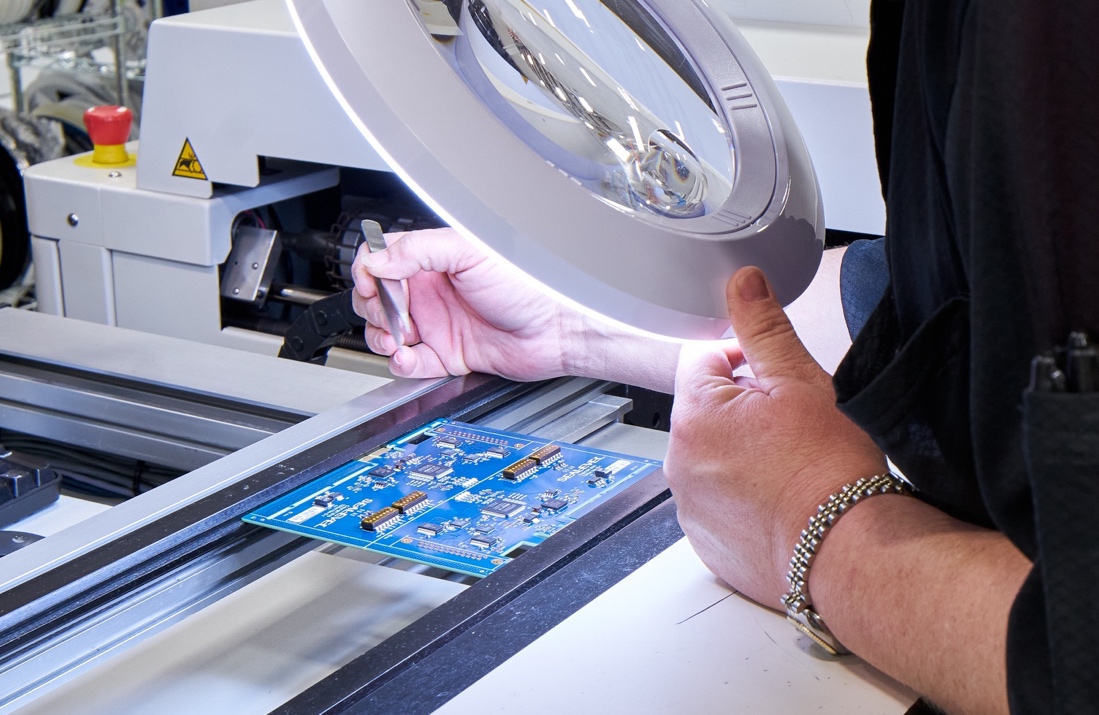
Image 2: Ruggedization starts with component selection and placement strategies that anticipate thermal, mechanical, and electrical stress. (Image credit: Sealevel Systems)
During the design phase, evaluate each component not only for performance, but also for lifecycle availability. Using lifecycle tracking tools, you can keep up with longevity and identify multi-source components to avoid future supply chain bottlenecks. That also enables you to focus on parts with more maturity and with remaining lifecycle and deprioritize parts that lack proven longevity. Choose components with at least five years of market maturity and five to ten more years of supplier support.
Key takeaway: Design for long-term support by evaluating every component’s lifecycle and sourcing strategy. Short-term availability does not equal rugged reliability.
Start with Proven Designs but Know When to Break the Mold
The challenge: Proven architectures reduce risk, but they can also limit innovation.
When speed and reliability are paramount, it's tempting to stick with what works. But not every application can be solved with legacy designs. The key is knowing when the requirements demand something more.
A few years ago, a customer needed an extremely shock- and vibration-resistant system. We could have retrofitted an existing design. Instead, we built a new architecture from the ground up with enhanced mechanical tolerances and strategic board mounting. Not only did it survive the field, but it also broke the customer’s vibration test machine.
Key takeaway: Use proven existing designs and platforms when they fit, but be ready to innovate when the mission demands it. Field requirements should dictate architecture, not the other way around.
Involve Manufacturing Before the Design is Final
The challenge: Rugged designs fail in production when manufacturing is an afterthought.
It’s one thing to engineer a rugged system. It’s another thing to build it repeatedly without quality degradation. Misaligned connectors, thermally sensitive placements, and fragile component sourcing all become risks if manufacturing isn’t involved early.
To lessen risks, you can loop in your manufacturing team during the PCB layout phase, not after. That will allow you to account for assembly constraints—like component spacing, board orientation, and solder profile limitations—before finalizing the design. You’ll get fewer surprises, better yields, and higher overall reliability.
Key takeaway: Make manufacturing part of your design process. A rugged design on paper is more meaningful if it can be built consistently.
Get Feedback from the Field, and Let It Guide You
The challenge: Most rugged systems don’t get real feedback until something breaks.
Customer feedback is often a response to failures. But we’ve found that listening to unexpected performance wins can be even more valuable. They reveal what your systems are truly capable of and where future innovation lives.
A client recently deployed one of our rugged computers in a demanding fire station automation system. Its performance exceeded expectations. Not only did the system function under stress, but it also operated flawlessly across multiple communication redundancies and even integrated kitchen safety shutdowns during emergency dispatches. This validated our design in ways lab testing couldn’t predict.
Key takeaway: Ask for feedback beyond failures. Learn what went right, where performance exceeded expectations, and how those insights can inform future designs.
Designing for Rugged Isn’t Just About the Hardware
These engineering principles—real-world validation, lifecycle component selection, architectural discipline, manufacturing alignment, and post-deployment learning—aren’t isolated tactics. They’re a proven system. Together, they drive a design culture where ruggedization is built in from the start, not added at the end.
Building rugged systems that survive the extremes is about systems, discipline, and a shared commitment to doing the job right. When done right, this approach yields products that survive not just one tough deployment, but ten years of them. And that’s the goal. Meet it and you’ll earn trust in every environment you serve.
None of this happens in a vacuum. Your rugged computing successes are the result of cross-functional effort, from sales qualifying the right opportunities, to manufacturing catching design flaws early, to customers giving us feedback that helps us grow.
Why It Matters
Every rugged system built becomes part of someone else’s mission. Whether that’s a first responder racing out the door, a utility worker restoring service after a storm, or a soldier depending on edge computing in a battlefield zone, rugged hardware must hold the line.
You may not always get to see the lives your systems touch, but always remember this. Your work with rugged solutions has a far-reaching impact. Sometimes, life-changing impact. So, failure isn’t an option.
Jeff Baldwin serves as Director of Engineering at Sealevel Systems, Inc., in Liberty, SC, where he leads the design, development, and testing of embedded computing systems engineered for extreme and mission-critical environments. His experience spans rugged hardware design, lifecycle planning, and compliance-readiness.
For more information, visit: https://www.sealevel.com

Jeff Baldwin serves as Director of Engineering at Sealevel Systems, Inc., in Liberty, SC, where he leads the design, development, and testing of embedded computing systems engineered for extreme and mission-critical environments. His experience spans rugged hardware design, lifecycle planning, and compliance-readiness.