Embedded Editor: CES 2026 Trends Roundup
January 19, 2026
Blog
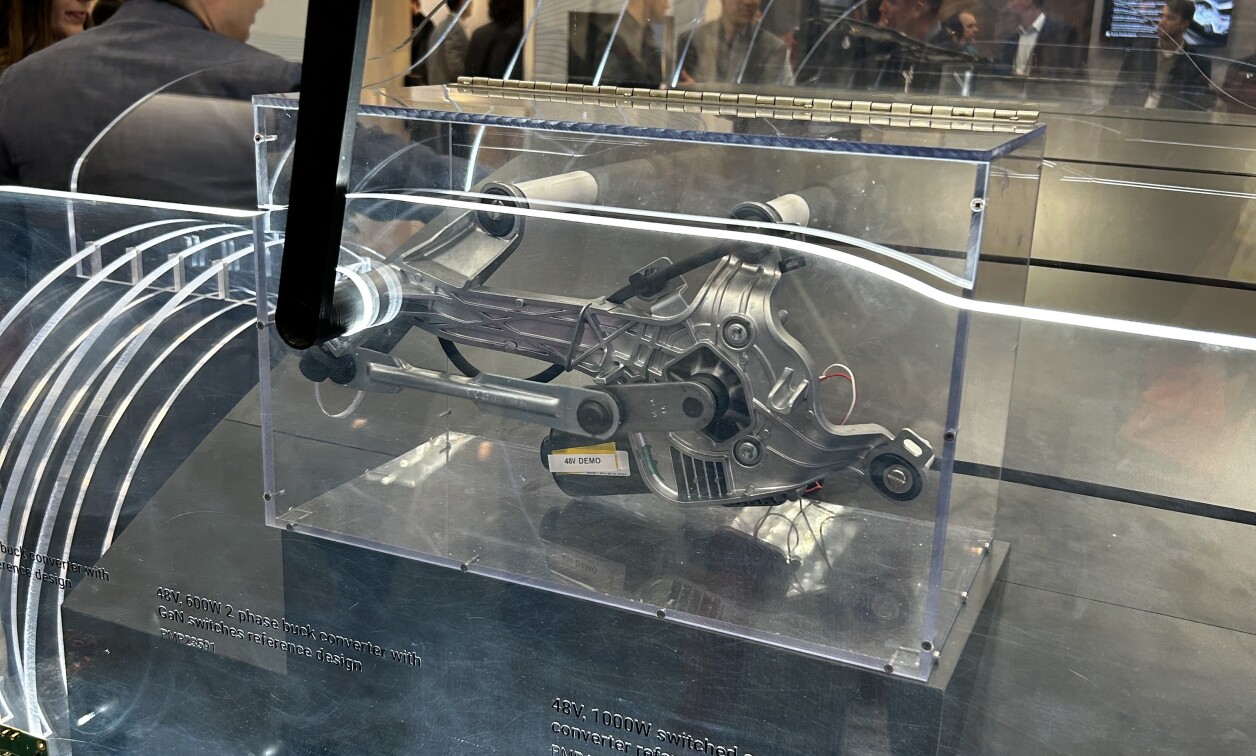
CES 2026 ended just last week, and the energy is still thrumming through me as I reflect back. A few trends really jumped out at me as I think back, and before I get into specifics, let me give you that 1000-foot-high viewpoint, as I saw it.
The biggest one, as will come as no surprise, I’m sure, was AI everywhere. Jensen Huang, president and CEO of NVIDIA, talked about “physical AI” during his keynote, and that was the talk of the town all week. He meant bringing AI out of the internet and into the physical world as wearables, assistance devices, and the like. Of course, we who have been immersed in Embedded Computing will find that to be no new trend. We’ve been building this “Physical AI” the whole time, haven’t we?
With that cheekiness out of the way, however, it’s important to note that the biggest classes of consumer device I saw across all the exhibit halls were Smart Glasses, Exoskeletons and other human-assist wearables, and so-called task robots like lawn mowers and vacuum cleaners. AI was critical software in every single one I saw. Worryingly, security wasn’t yet in all of them, so ask some key questions before you strap on that speedwalking leg rig.
Another common trend I saw was about platforms as solutions. Almost no company I spoke to or met with was offering “just” a product. They all had a platform for customized solutions, or software suites for management, or other tools designed to give engineers and developers the power to make any given device into the solution they need for any given problem.
Related to this, another big trend I’ll call out is the explosion of sensor fusion products. No more uni-taskers, say the makers of embedded compute and IoT alike. Cameras will sense light, radar, sound, and vibration. Robots will follow paths, avoid obstacles, and even respond to verbal directions from human managers. All senses for all solutions.
Automotive was again the biggest single industry represented at the show. SDV and electrification remain top topics, but I saw a huge rise in memory and storage companies and conversations, while literally everyone was concerned with power: generation, transmission, management, and storage. This was true at the edge and in the most future-forward data center plans I saw, and everywhere in between. In fact, many new data centers are likely to include their own, in-house power plants, if the talk is to be believed.
Microsoft: the trend setter once again.
Now, I’ll give you a peek into some of my favorite specific tech sightings. And while you’re at it, check out my video round up episode of ICYMI from the show floors at CES.
John Deere
The centerpiece of the booth was a gigantic, gorgeous combine harvester out in the front with a bunch of corn stalks, but the star was in the back, where the brand was showcasing a sort of a game that let players use an automated steering mechanism that demonstrates how difficult it can be to steer through a field as a as a farmer and how John Deere technology can help.
OshKosh
OshKosh is all about robotics and connected fleets, and the company showed off some incredible LIDAR, RADAR, and several other tracking technologies and how they can be used in fleet management solutions to drive successful outcomes, including Clear Sky Smart Fleet, designed to connect drivers and operators.
Amazon for Automotive
The shopping, cloud services, and logistics company showed off a bunch of Vehicle shopping tools, satellite connectivity, and, of course, GenAI tools, but my favorite thing was the Nova racing experience and driving Sim.
Ambarella
In the off-site suite where Ambarella showcased some of the interesting tech that the company’s been developing, I got a first look at the very exciting and new “Dev Zone,” a whole suite of solutions and products to help developers and engineers ramp up and get more involved in AI at the edge faster and more efficiently.
There was so much more to see at the show, and this is only a taste of the tech, but don’t worry, your team at Embedded Computing Design will be writing about these innovations all year long as they become real use cases in the field.
For now, it’s shaping up to be a very techy new year.

Ken Briodagh is a writer and editor with two decades of experience under his belt. He is in love with technology and if he had his druthers, he would beta test everything from shoe phones to flying cars.
At Embedded Computing Design, he covers, AI, Edge Computing, Data Centers, Automotive, Industrial, Smart City, IoT and IIoT, Semiconductors, Healthcare, and lots more. He hosts weekly programs on YouTube, including the technology unboxing feature DevKit Weekly, and his news show ICYMI, and, along with Tiera Oliver, hosts the Embedded Insiders and Embedded Executive podcasts.
In previous lives, he’s been a short order cook, telemarketer, medical supply technician, mover of the bodies at a funeral home, pirate, poet, partial alliterist, parent, partner and pretender to various thrones. Most of his exploits are either exaggerated or blatantly false.
Muck Rack: https://muckrack.com/ken-briodagh
Industry Moderator: https://www.microelectronicsus.com/speakers/ken-briodagh-1
Apple Podcasts: https://podcasts.apple.com/us/podcast/embedded-insiders/id1359230366
Spotify: https://open.spotify.com/show/5X07QpW7U2CM9ZbGxl4p40