Intel Powers Ethical Vision AI for Real-World Analytics
January 26, 2026
Blog

As cities, retailers, and transportation systems become increasingly data-driven, real-time analytics are playing a critical role in improving safety, efficiency, and decision-making at scale.
Modern vision AI solutions must deliver actionable insights while upholding privacy without sacrificing performance. This requires high-speed, low-latency AI inference that can run efficiently across everything from small form factor edge devices to high-performance computing systems.
The Viana vision AI platform by meldCX® is designed to meet these demands, with privacy at its core.
Supporting camera feeds across diverse environments, Viana offers modular AI capabilities that can be stacked or customized, support low-code or deep integrations, and combine multiple camera feeds into a single, unified data stream — enabling organizations to extract meaningful insights in real time.
Intel Core CPUs serve as the compute foundation of the Viana by meldCX solution, enabling low-latency data processing at the edge through Intel Edge AI Systems. Accelerated by the OpenVINO toolkit and supported by Intel® Scalable Architecture, Viana delivers efficient AI inference with consistent deployments across cloud and edge environments.
Outcome-Driven Use Cases
As organizations look to make sense of physical space through data, they need solutions that can do so at scale and with privacy in mind. Viana is deployed across live environments where analytics deliver measurable operational outcomes.
In shopping centers and quick-service restaurants, anonymized insights into customer movement and dwell patterns support smarter decisions around product placement, staffing, and space utilization. These insights help optimize traffic flow and staffing, as well as reduce operational waste, ultimately improving both efficiency and customer experience without compromising trust.
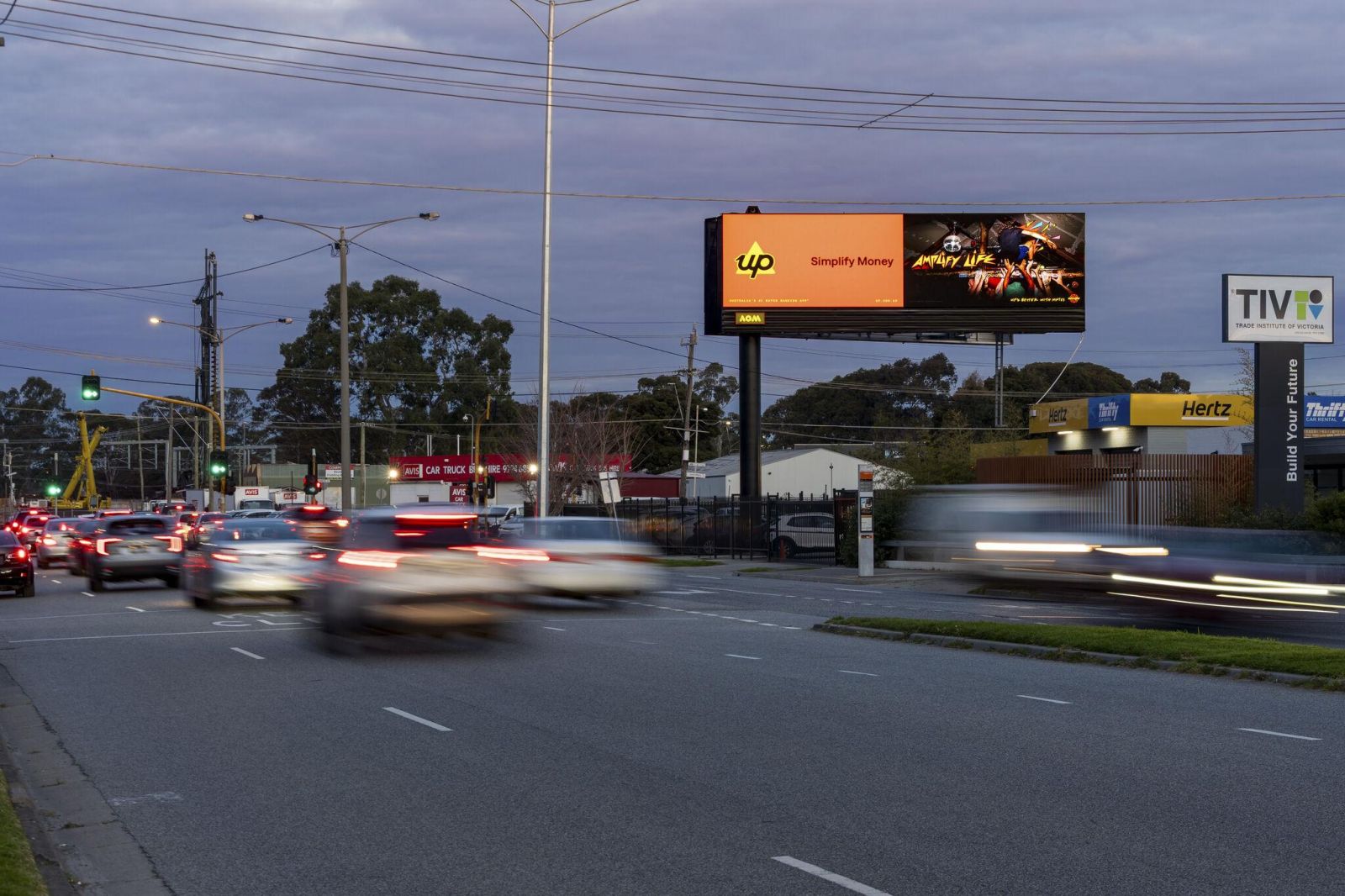
Across transportation hubs, digital signage networks, and out-of-home media, Viana enables a deeper understanding of how audiences engage in motion. By improving content effectiveness and strengthening audience connection, organizations can increase basket size and unlock alternative revenue streams for signage and media owners.
Additional deployments in public-sector and enterprise environments, including postal and government facilities, further demonstrate Viana’s ability to deliver secure analytics consistently across complex and highly regulated environments.
Privacy by Design
Viana is purpose-built to deliver actionable insights without collecting, storing, or analyzing any personal or identifiable information.
The platform does not use facial recognition, nor does it generate or store facial imagery or biometric data. All visual data is anonymized and de-identified, ensuring no personal identification or profiling is possible.
.png)
To further reinforce this approach, Viana’s AI models are trained using synthetic data from virtual 3D environments rather than real-world personal data.
Viana operates as a build-your-own vision AI solution, with use cases delivered as modular building blocks that customers can consume based on what makes the most sense for them in their data journey.
Intel’s Edge AI Initiative
This blog is part of a series outlining Intel’s AI Edge initiative. Intel recently unveiled its Intel® AI Edge Systems, Edge AI Suites, and Open Edge Platform. These are designed to help partners integrate AI into existing infrastructure and help them to jumpstart development and to increase trust in their system performance and security.
Intel is collaborating with its software partners to create and optimize AI for edge applications, as illustrated by this series of blog posts. Intel is working with its hardware platforms to specify Intel® AI Edge systems that allow for best-fit AI performance for key AI edge workloads and are available in a variety of power levels, sizes, and performance options.
To find out more, visit Intel Edge AI.

Tiera Oliver is the assistant managing editor at Embedded Computing Design. She is responsible for web content editing, product news, and story development. She also manages, edits, and develops content for ECD podcasts, including Embedded Insiders.
She utilizes her expertise in journalism and content management to oversee editorial content, coordinate with editors, and ensure high-quality output across web, print, and multimedia platforms. She manages diverse projects, assists in the production of digital magazines, and hosts company podcasts by conducting in-depth interviews with industry leaders to deliver engaging and insightful discussions.
Tiera attended Northern Arizona University, where she received her bachelor's in journalism and political science. She was also a news reporter for the student-led newspaper, The Lumberjack.