Teaching the Next-Generation of Engineers: Professor Marilyn C. Wolf
February 03, 2026
Story

The embedded computing industry today is filled with seasoned engineers and developers who work tirelessly on the rapid, ever-evolving technologies that fill our homes, workplaces, and day-to-day lives.
But not every engineer and industry professional has a balanced understanding of hardware and software issues. And that starts in the classroom, being taught by professors and educators who have not only been in the field but also advised generations of students and been at the forefront of research in areas such as the Internet-of-Things, embedded computing, embedded computer vision, and VLSI systems.
Marilyn Wolf found her interest in design challenges while working at AT&T Bell Laboratories during the mid to late 1980’s. Her research group, which was working on VLSI design automation (aka hardware design), was introduced to a consumer telephone group that needed help developing an affordable and innovative solution for advanced integrated circuit design.
“..processors at the time were very simple that advances in hardware design would mean advances in the complexity and performance of this embedded software,” says Marilyn.
The Elmer E. Koch Professor of Engineering at the University of Nebraska-Lincoln shares the fundamentals that she follows and believes are essential in the constantly changing landscape of tools and platforms that are utilized in embedded systems today, such as real-time behavior, which means deadlines, low power and low energy, parallel computing, and distributed computing.
“Embedded computing requires a balanced understanding of hardware and software issues... real-time performance depends not just on the software design, but also on the characteristics of the hardware platform…Low energy computing is essentially tied to a lot of software characteristics, but it also depends upon the capabilities and characteristics of the underlying hardware platform.”
For students in introductory courses, Marilyn mentions that it can also be a challenge to understand, especially in critical industries today, the scope of projects. With millions of lines of code, code often amalgamating from different sources, and the increasing complexity of hardware platforms, understanding scope is key.
However, recent increases in AI and machine learning components that are deployed in the field and tools for designing both hardware and software have significantly supported progress, helping students and those working in embedded industries with system design.
Marilyn also believes it’s important to think about not only what students can do to better prepare for jobs within these industries, but what industries can do for students.
“I think that engineering requires experience, right? And giving students a balance of fundamentals and practical examples that illustrate those fundamentals is important… [In] real-world systems engineering is a team sport, and our students need to have the collaborative skills and communication skills that are needed for these large projects, as well as the associated technical skills,” says Marilyn.
As a final thought, Marilyn expresses that there’s a huge need for the workforce today, and embedded computing plays an important role.
Marilyn expresses that, “we need to be able to utilize the chips that we make and put them into real-world systems. We also, of course, need to be able to maintain and upgrade those systems... There are opportunities for a wide range of technical training for people in the embedded systems space, ranging from hardware design up through system design and through deployment.”
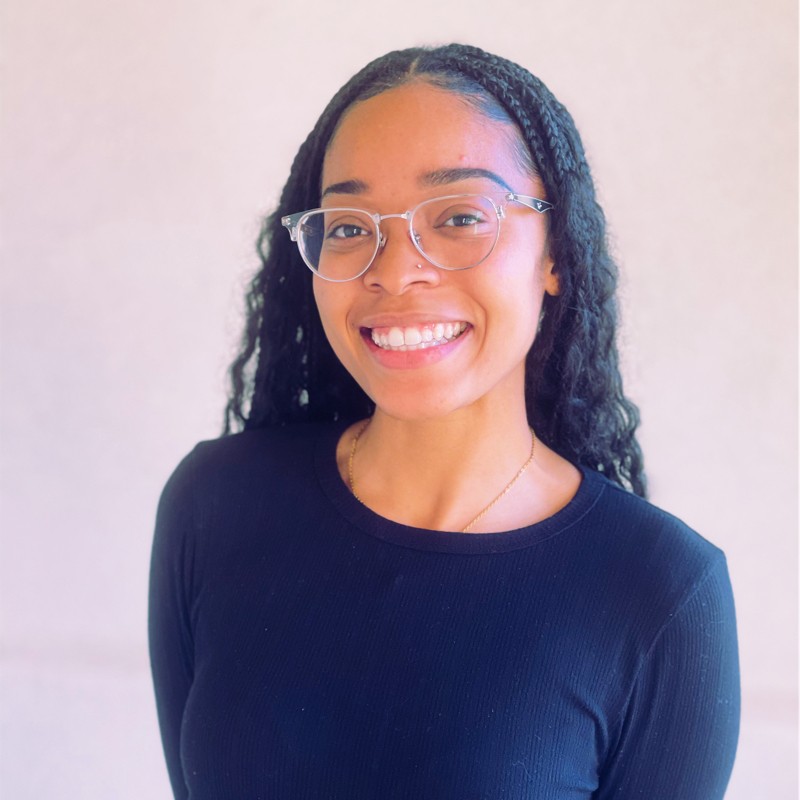
Tiera Oliver is the assistant managing editor at Embedded Computing Design. She is responsible for web content editing, product news, and story development. She also manages, edits, and develops content for ECD podcasts, including Embedded Insiders.
She utilizes her expertise in journalism and content management to oversee editorial content, coordinate with editors, and ensure high-quality output across web, print, and multimedia platforms. She manages diverse projects, assists in the production of digital magazines, and hosts company podcasts by conducting in-depth interviews with industry leaders to deliver engaging and insightful discussions.
Tiera attended Northern Arizona University, where she received her bachelor's in journalism and political science. She was also a news reporter for the student-led newspaper, The Lumberjack.